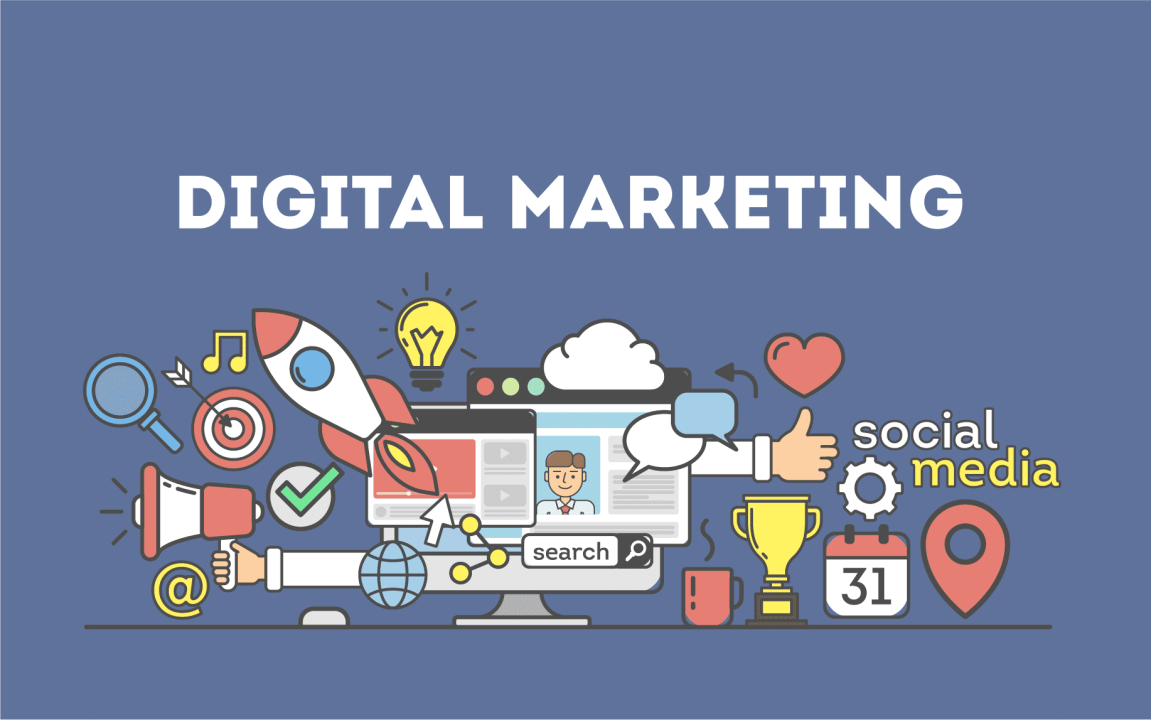
In the fast-paced, interconnected world of today, where technology reigns supreme, traditional marketing methods have taken a back seat. Enter digital marketing – a dynamic and ever-evolving strategy that has transformed the way businesses engage with their audiences, promote products, and build brand awareness. This article delves into the world of digital marketing, its myriad channels, and the challenges it poses.
Digital marketing encompasses a range of online tactics used by businesses to reach and connect with their target audience. It leverages the power of the internet, mobile devices, and digital platforms to deliver tailored messages and campaigns. Unlike traditional marketing, digital marketing offers the advantage of real-time tracking and measurement, enabling marketers to analyze campaign performance and make data-driven decisions.
All digital marketing operations revolve around a website. It is a powerful channel in and of itself, but it is also the medium required to carry out a range of Internet marketing initiatives. A website should clearly and memorable portray a brand, product, or service. It must be quick, mobile-friendly, and simple to use.
Social Media MarketingPlatforms like Facebook, Instagram, Twitter, YouTube, and LinkedIn allow businesses to create brand presence, engage with users, and advertise products/services to a global audience.
Search Engine Optimization (SEO):SEO involves optimizing a website's content and structure to rank higher in search engine results, driving organic traffic and enhancing online visibility. It includes both On-page and Off-page SEO techniques.
Content MarketingCreating and distributing valuable, relevant, and consistent content through blogs, videos, infographics, and more, establishes authority and fosters a loyal audience.
Email MarketingAn effective channel for personalized communication, email marketing delivers targeted messages to subscribers, promoting products, sharing news, and building customer relationships.
Pay-Per-Click (PPC) AdvertisingThrough platforms like Google Ads, businesses can bid for ad placements in search engine results or display ads on relevant websites, paying only when users click on their ads pertaining to their business keywords, text, video, or images.
Influencer MarketingCollaborating with influencers or individuals with a strong online presence to promote products can help brands reach a wider and more engaged audience.
Affiliate MarketingBusinesses partner with affiliates who promote their products, earning a commission for each sale generated through their efforts.
SMS MarketingCompanies and non-profit organisations also utilize text messaging (formerly known as SMS, or short message service) to alert clients about new deals or to provide possibilities.
The digital space is overcrowded, making it challenging for businesses to stand out amid the sea of content and competitors.
Constant Algorithm ChangesSearch engines and social media platforms frequently update their algorithms, affecting how content is ranked and displayed, forcing marketers to adapt quickly.
Data Privacy ConcernsStricter data protection regulations, like GDPR and CCPA, have heightened concerns about consumer privacy, impacting how businesses collect and use customer data.
Ad BlockingThe rise of ad blockers reduces the visibility of digital ads, requiring marketers to create non-intrusive, engaging content to capture audience attention.
Measurement and AttributionDetermining the true impact of digital marketing efforts and accurately attributing conversions to specific channels can be complex due to multi-touchpoint customer journeys.
Content SaturationWith the constant influx of content, it is challenging to create original and valuable material that resonates with the audience.
Technical ChallengesManaging and optimizing websites, ensuring compatibility across various devices, and addressing technical glitches can be demanding.
Changing Consumer BehaviorAs consumer behavior evolves, marketers must stay attuned to shifts in preferences and adapt their strategies accordingly. In conclusion, digital marketing has revolutionized the way businesses connect with their audiences, offering a diverse range of channels to engage, communicate, and promote products. However, it is not without its challenges. The digital landscape is marked by fierce competition, algorithm changes, data privacy concerns, and shifting consumer behaviors. Success in digital marketing requires a blend of creativity, adaptability, strategic thinking, and a deep understanding of the ever-changing digital ecosystem. As technology continues to evolve, digital marketers must remain vigilant, embracing innovation while navigating the complexities of this dynamic realm.
© 2023 Paul E Solutionz All rights reserved. Designed and Developed by VPRO Infotech